
The Historical Context of Gambling
Throughout history, gambling has been a prevalent aspect of many cultures, often perceived as a form of entertainment and social interaction. Ancient civilizations, such as the Chinese and Egyptians, incorporated games of chance into their social fabric, viewing them as a means of acquiring wealth and testing fate. The historical significance of gambling reflects not only a pursuit of pleasure but also a ritualistic component, where the act of wagering was often intertwined with religious or spiritual beliefs. Today, platforms like betscorecasino.com continue this tradition, offering an array of games that echo the allure of ancient betting.
In societies like ancient Rome, gambling was both celebrated and condemned, illustrating the complex relationship between risk and reward. Romans engaged in various forms of betting, from gladiatorial contests to board games, yet lawmakers frequently attempted to regulate these activities due to their potential to incite moral decline. This ambivalence towards gambling demonstrates how cultural perspectives can shape the acceptance or rejection of risk-taking behaviors over time.
As gambling evolved, its reflection of societal norms became apparent. The Renaissance period saw an increase in games of chance, merging entertainment with financial speculation. The development of casinos in Europe marked a turning point, creating dedicated spaces for gambling and further normalizing the practice. Understanding this historical context allows for a deeper appreciation of how different societies continue to grapple with the concepts of risk and reward in gambling today.
Cultural Attitudes Toward Gambling
Different cultures hold varying attitudes towards gambling, heavily influenced by religious beliefs and societal values. In predominantly Islamic cultures, gambling is often viewed as a sin, leading to strict prohibitions against any forms of betting or wagering. This perspective stems from religious texts that condemn gambling as detrimental to moral integrity, shaping a culture where risk-taking is largely frowned upon.
Conversely, in Western cultures, particularly in the United States and parts of Europe, gambling is widely accepted and even celebrated. The emergence of casinos and lotteries reflects a cultural shift that embraces the idea of risk as an avenue for potential reward. These societies often depict gambling as an exciting and legitimate pastime, fostering an environment where individuals feel empowered to take financial risks in hopes of striking it rich.
Moreover, cultural narratives surrounding gambling can significantly impact how risks are perceived. In some cultures, tales of fortune gained through gambling are shared as motivational stories, emphasizing luck and chance. In contrast, other societies may highlight cautionary tales that focus on the perils of gambling, reinforcing a more conservative approach. This complex interplay of cultural attitudes towards gambling influences the societal acceptance of risk-taking behaviors.
The Psychological Aspects of Gambling
The psychology behind gambling behaviors can be deeply rooted in cultural perceptions of risk and reward. For many, gambling serves as a form of escapism, allowing individuals to break free from their daily routines and experience the thrill of chance. This psychological allure is universal, yet the underlying motivations may vary widely across cultures. For instance, in cultures that celebrate risk-taking, gambling may be seen as a rite of passage or a way to assert one’s financial independence.
In contrast, individuals from cultures that view gambling negatively may experience feelings of guilt or shame when engaging in such activities. This psychological conflict can lead to a more cautious approach to risk, where individuals weigh the potential consequences more heavily against the allure of reward. The emotional stakes involved in gambling can significantly influence a person’s willingness to engage, varying from excitement to anxiety based on cultural expectations.
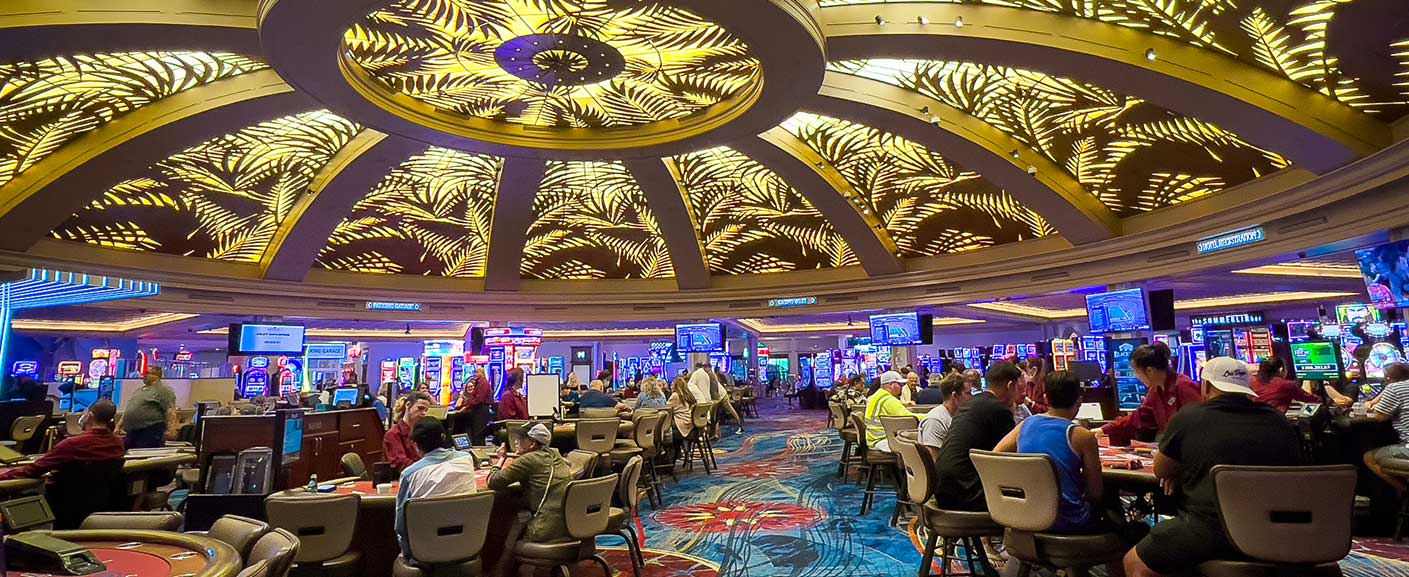
Additionally, the design and environment of casinos play a crucial role in shaping psychological responses to gambling. Studies have shown that the ambiance, layout, and even the sounds within gambling spaces can heighten excitement and draw individuals in. By examining how different cultures respond to these environmental cues, we gain insight into the broader psychological implications of gambling and its acceptance in various societies.
The Economic Impact of Gambling
Economically, gambling contributes significantly to many countries’ revenue streams, often seen as a double-edged sword. For instance, in regions where gambling is embraced, such as Las Vegas, the casino industry has become a cornerstone of the local economy, generating jobs and attracting tourism. This economic impact fosters a positive cultural perception of gambling, associating it with prosperity and opportunity, and reinforcing the idea that risk-taking can lead to substantial rewards.
However, the flip side of this economic benefit is the societal cost associated with problem gambling. In cultures where gambling is normalized, there can be a rise in addiction rates, leading to financial distress for individuals and families. This duality prompts discussions about the need for responsible gambling measures and education, which vary across different cultural contexts. The economic benefits of gambling often force societies to grapple with the balance between fostering a thriving industry and mitigating potential harms.
Furthermore, government regulations surrounding gambling practices can also reflect cultural attitudes toward risk. In some countries, strict regulations are enforced to protect vulnerable populations, while others may prioritize revenue generation over social responsibility. This divergence in policy highlights how cultural views on risk and reward can influence economic approaches to gambling, shaping the overall landscape of the industry.
BetScore: A Modern Gaming Experience
BetScore stands as a premier online casino and sports betting platform, reflecting the evolving cultural landscape of gambling. Catering primarily to UK players, it offers a vast selection of over 2,000 games, including slots, live dealer options, and classic table games. This variety illustrates the contemporary acceptance of gambling as a mainstream form of entertainment, aligning with cultural shifts that embrace risk-taking behaviors in pursuit of enjoyment and reward.
Launched under a license from the UK Gambling Commission, BetScore ensures a regulated and safe environment for users. This commitment to responsible gambling resonates with modern cultural expectations, demonstrating a balanced approach to risk and reward. The site’s clear terms and competitive wagering requirements further embody a user-centric perspective, emphasizing transparency and fairness in the gaming experience.
With 24/7 customer support and a user-friendly mobile app, BetScore exemplifies how technology is reshaping the gambling landscape. As societies continue to embrace online gaming, platforms like BetScore cater to diverse preferences, reinforcing the notion that risk-taking can be both thrilling and secure in the modern age. Join today for an exciting gaming adventure that reflects a new era of gambling culture.